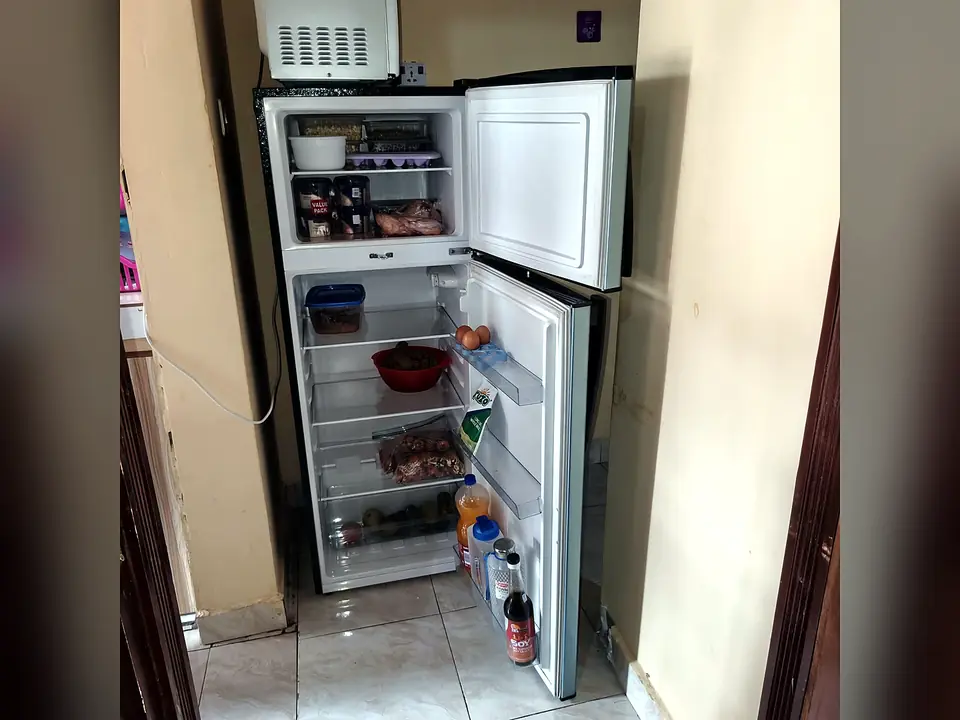
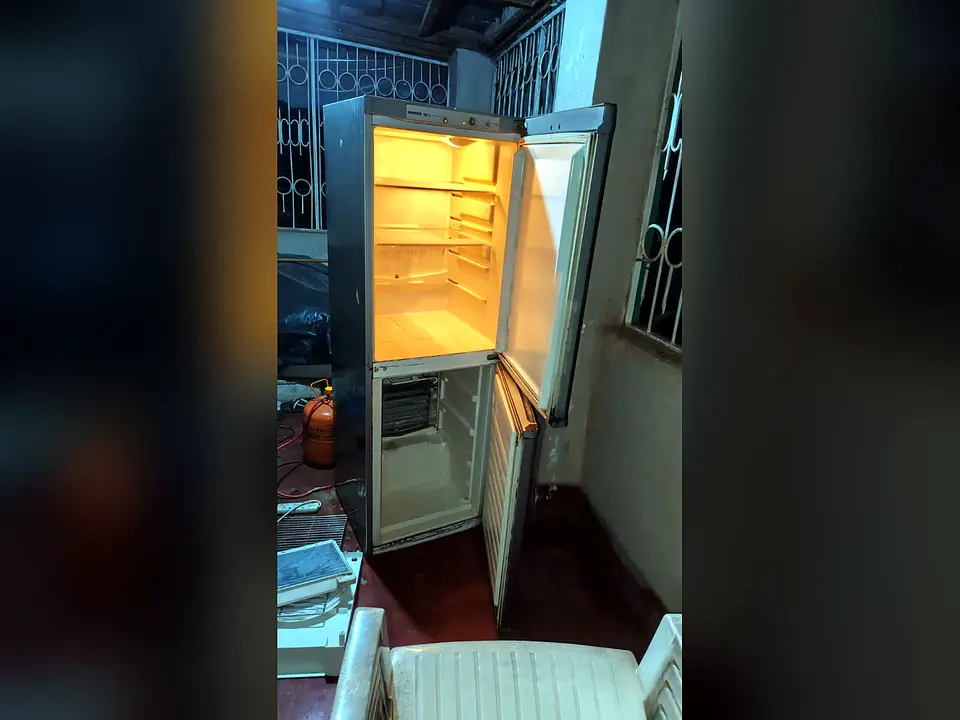
Old fridge? We take it away.
We disconnect it, carry it out of your home and send it for responsible recycling, so the gas and the materials are handled properly.
Simple and tidy.
Tell us the size and where it is: floor, stairs, gate access.
Empty and defrost it the day before so it does not leak on the way out.
We disconnect it, carry it out and take it for recycling.
Questions people ask
Do you collect old fridges?
Yes. We disconnect the fridge, carry it out and take it away for recycling.
What happens to the gas inside?
The gas in old fridges must not be released. It is recovered by recyclers who handle refrigerants before the metal and plastic are recycled.
Should I repair or replace my old fridge?
If the fridge is very old, uses a lot of power or needs a compressor, replacing it may make more sense. We tell you honestly before you decide.
Good to know about your fridge.
How to defrost a freezer safely
A freezer with thick ice works harder and holds less. If your freezer is not no-frost, defrost it when the ice is a few millimetres thick. Switch it off at the wall, empty the contents into a cool box, and open the door. Put towels underneath to catch the water.
Never use a knife, a screwdriver or any sharp tool to chip the ice. The cooling pipes run very close to the surface, and a puncture lets out the gas and ruins the freezer. A bowl of warm water placed inside speeds things up, and a hairdryer on a low setting held at a distance can help, if you keep it away from water.
Wipe the inside dry before switching on again, and give the fridge a few hours to cool before refilling it. If ice builds up again within weeks, the door seal or the defrost system needs a technician.
How to load a fridge so it cools better
Cold air has to move. Pack the shelves loosely enough that air can circulate, and never block the vents at the back or on the ceiling of the compartment. Keep the bulky items on the shelves and leave the door bins for things that tolerate warmth.
Raw meat and fish belong on the lowest shelf in sealed containers, so they cannot drip onto other food. Dairy and cooked food go in the middle. Fruit and vegetables belong in the drawers, where the humidity is higher.
Let hot food cool to room temperature before putting it in. Hot pots warm the fridge, force the compressor to work and bring in moisture that turns into frost. Cover liquids, because uncovered liquids add moisture to the air.
Cleaning the condenser coil
The condenser coil releases the heat the fridge removes from the food. On older fridges it is a grille on the back; on newer ones it may be a coil under the fridge behind a kick plate. Dust and kitchen grease form a blanket on it, which traps the heat.
Unplug the fridge before you start. Use a soft brush or the brush attachment of a vacuum cleaner to lift the dust, then a damp cloth for grease. Clean the area around the compressor too, and remove dust from the fan if there is one. Do it every few months, or more often in a dusty kitchen.
A clean coil can make a noticeable difference in how long the compressor runs and how much power the fridge uses. It is one of the cheapest and most effective bits of maintenance you can do yourself.
How to tell if a door seal needs replacing
The door seal, or gasket, keeps warm air out. Over time it hardens, cracks or loses its magnetic grip. A bad seal causes frost, water inside, longer running and a higher bill.
Try the paper test: close the door on a sheet of paper and pull it out. If it slides out with no resistance, the seal is not gripping there. Test several points around the door. Look for splits, hardened sections and mould along the folds.
Wiping the seal with warm soapy water sometimes restores the grip, because grease and sugar stop it sealing. If cleaning does not help, the seal needs replacing. A new seal must be fitted straight, and the door adjusted so it closes evenly, or the new seal will not fix the problem.
Choosing a fridge technician you can trust
A good technician explains the fault before changing parts. They test, tell you what failed and why, and give you the price before work starts. They show you the old part if you ask. They are honest when a repair does not make sense.
Be wary of anyone who names a fault over the phone without seeing the fridge, who insists on a gas refill without finding a leak or who will not give a price until the work is done. Ask whether the visit fee is separate and what it covers.
It also helps if the technician works on fridges every day. Fridges are a sealed cooling system with their own tools, gases and habits, and a general handyman may not have the equipment to vacuum and charge a system properly.
Moving a fridge without damaging it
Whenever possible, keep a fridge upright. The compressor oil sits in a defined place, and laying the fridge down can let it run into the pipes. If a fridge has to travel on its side, let it stand upright for several hours before you switch it on again.
Empty it and defrost the freezer the day before, so no water leaks on the way out. Secure the doors with tape and protect the corners. Plan the route, because large fridges are heavy and awkward on stairs, so tell your movers the size and the floor.
Level the fridge in its new position, leave a gap behind and above it and wait a short time before switching it on. We also help with installation and relocation, including bringing in a new fridge and removing the old one.
Saving power with the fridge you already have
A fridge runs all day and every day, so small improvements add up. Set the fridge between about three and five degrees and the freezer at minus eighteen. Colder settings use more power without protecting the food any better.
Keep the condenser clean, leave air space around the fridge and keep it away from the cooker and direct sun. Check the door seal and do not leave the door open while you decide what to eat.
A full fridge holds its cold better than an empty one, so a few bottles of water on the shelves help in a fridge that is mostly empty. Do not overpack it, though, because the air must still move. If a fridge is very old and the compressor is struggling, a replacement may repay itself in power, and we will tell you honestly if that applies.
Inverter fridges explained
A traditional compressor switches fully on and fully off. An inverter compressor changes its speed to suit the cooling needed. It runs slowly most of the time, which is quieter and uses less power, and it speeds up when the fridge needs to cool down.
To do that it needs a control board, called the inverter board, that converts the power and drives the compressor. The board is the weak point, because it dislikes surges and heat. When a board fails, the compressor does not start, even though the compressor itself may be fine.
That is why we test the board, the wiring and the compressor separately. A board can sometimes be repaired and sometimes needs replacing with a matching part. A voltage guard and a clean condenser are the best protection for an inverter fridge.
What happens on a visit
You call or WhatsApp us with what the fridge is doing and a photo of the model sticker. We tell you when a technician can come and how the visit fee works. The technician arrives, listens to the fridge, measures the temperature in both sections and checks the obvious causes in order.
When the fault is found, you are told what it is, shown the worn part where possible and given the full price for parts and labour before anything is changed. Nothing is done without your agreement. If a part has to be ordered, we tell you how long it will take.
After the repair, the fridge is left running and checked to confirm it is pulling down to temperature. Before we leave, we explain what failed and how to avoid it next time. If the fridge is not worth repairing, we say so, and we can collect an old fridge for responsible recycling.
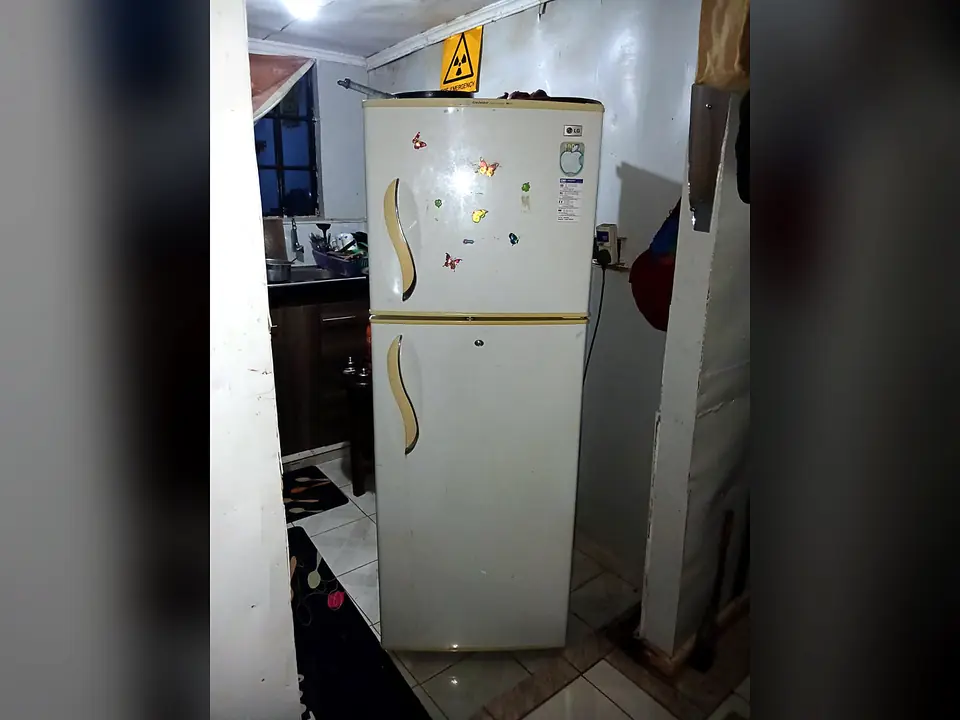
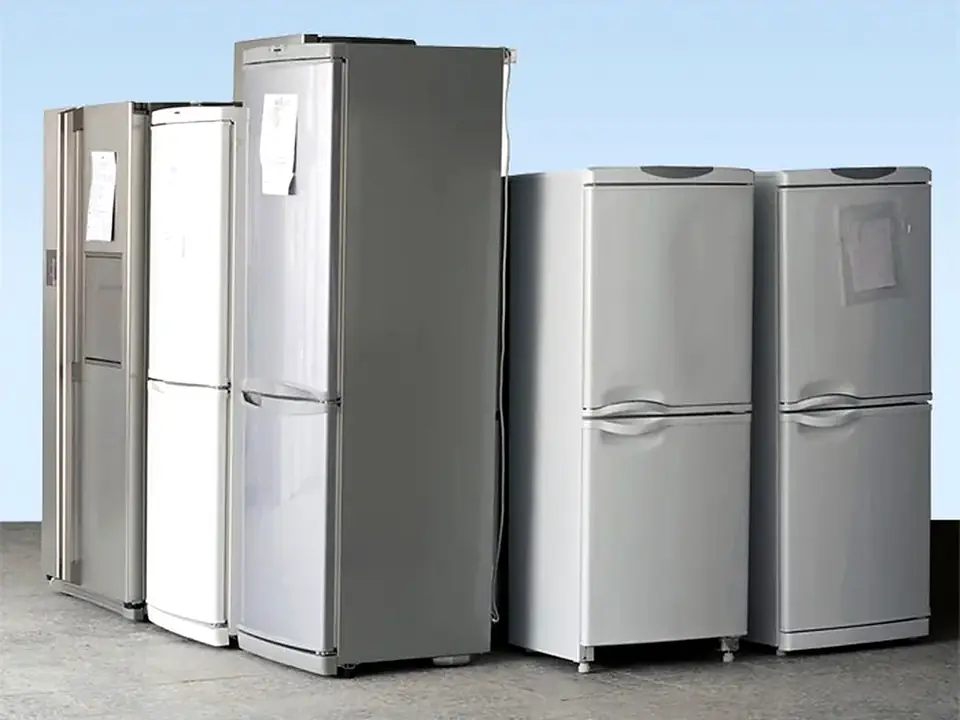
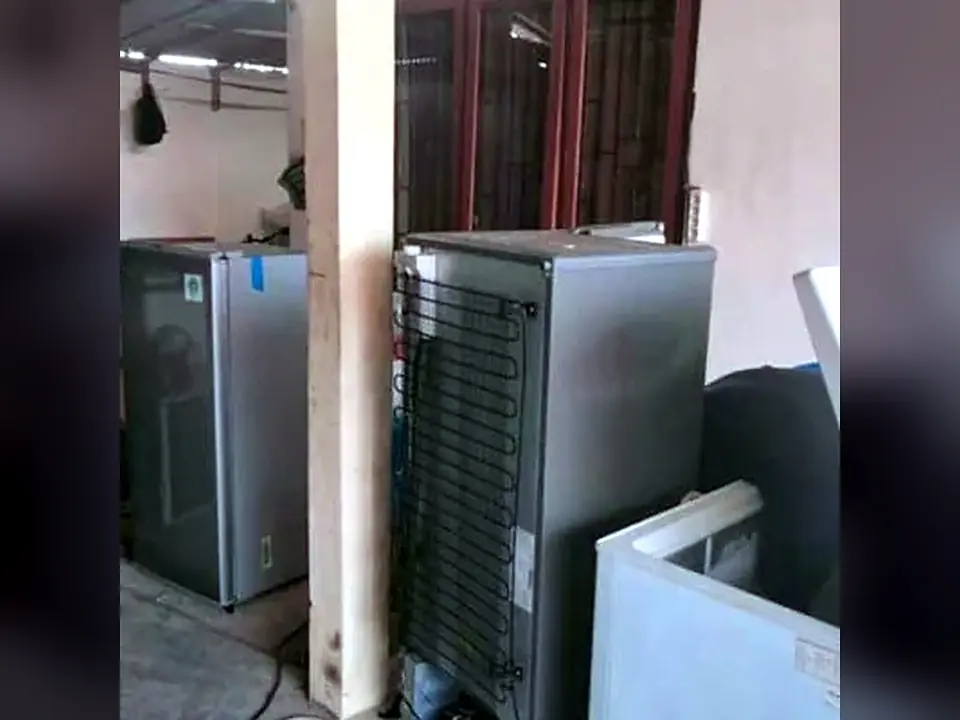
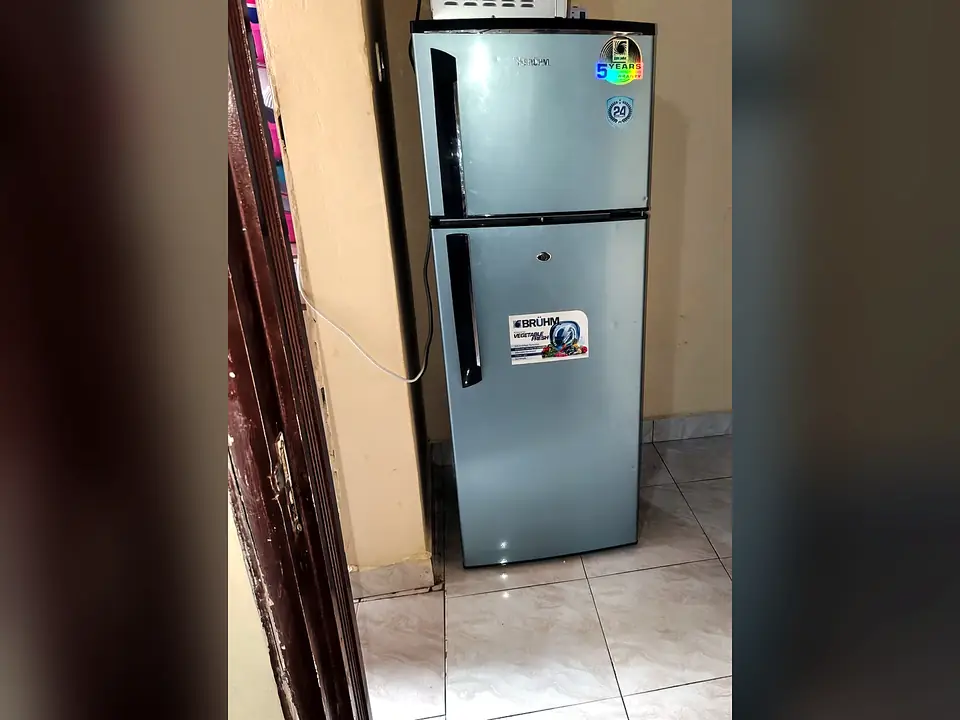
Fridges and freezers we work on.
Ready to clear the space?
Call or WhatsApp with what the fridge is doing and a photo of the model sticker. We tell you when a technician can come.