Fridge repair in Runda.
Fridge and freezer repair at your home in Runda, Nairobi, including Gigiri, Muthaiga North, Rosslyn and Village Market. Price agreed before any work starts.
Homes, shops and offices.
We repair home fridges, chest freezers and shop coolers in Runda and nearby Gigiri and Muthaiga North. Tell us what the fridge is doing and where you are, and we give you the earliest time a technician can reach you.
Most jobs are done in one visit. If a part has to be ordered, we tell you the price and how long it takes before we leave.
Homes and businesses we visit.
Runda is quiet, residential and spacious, with large family homes and well-equipped kitchens. Built-in and integrated fridges are common, and so are wine coolers and second fridges.
Built-in fridges need correct airflow around the cabinet and a level base. Wine coolers, whether compressor or thermoelectric, need their own checks.
Runda is a quiet residential area with large family homes. Built-in fridges and integrated kitchens are common here. Built-in units need the right airflow around them, and a blocked vent is one of the first things we check.
We repair fridges across Runda and nearby Gigiri, Muthaiga North, Rosslyn and Village Market. We bring the common parts and can often fit them in one visit.
What goes wrong here.
Built-in fridge with blocked vents
Integrated fridges need open vents at the top and bottom of the cabinet. Blocked vents trap heat and weaken the cooling.
Wine cooler temperature drift
The compressor type and the thermoelectric type have different faults. Fans, sensors and seals are the first checks.
Inverter board faults
High-end fridges use control boards that dislike surges. A dead board or erratic behaviour after a power cut is a common reason for calls.
Door seals on large doors
Heavy doors wear their seals and hinges. A new seal and a hinge adjustment keep cold in.
Care for Runda kitchens.
Have your built-in fridge cleaned and checked yearly, including the vents. Keep the wine cooler out of direct sun and away from heat sources.
Built-in fridges are expensive and awkward to replace, so repair is usually the better route. We explain the true cost of each option before work starts.
What we fix.
Brand-specific repair in Runda.
If you know the brand, go straight to the page for that brand in Runda. The usual faults and how we fix each one, written for your model.
How a Runda visit works.
Tell us what is wrong
Call or WhatsApp with what the fridge is doing and a photo of the model sticker inside.
We come to you
A technician visits your home or business and finds the fault.
You approve the price
You get the full price before any work starts. Nothing is done without your OK.
Cold again
We repair it, test the temperature and show you what was fixed.
Good to know about your fridge.
What happens on a visit
You call or WhatsApp us with what the fridge is doing and a photo of the model sticker. We tell you when a technician can come and how the visit fee works. The technician arrives, listens to the fridge, measures the temperature in both sections and checks the obvious causes in order.
When the fault is found, you are told what it is, shown the worn part where possible and given the full price for parts and labour before anything is changed. Nothing is done without your agreement. If a part has to be ordered, we tell you how long it will take.
After the repair, the fridge is left running and checked to confirm it is pulling down to temperature. Before we leave, we explain what failed and how to avoid it next time. If the fridge is not worth repairing, we say so, and we can collect an old fridge for responsible recycling.
How a fridge actually keeps things cold
A fridge does not make cold. It moves heat. Inside the sealed pipework there is a refrigerant gas. The compressor squeezes the gas, which makes it hot, and the hot gas flows through the coil at the back or underneath, called the condenser, where it gives its heat to the room. The gas turns to a liquid, passes through a very thin tube that drops its pressure, and arrives in the cold coil inside the fridge, the evaporator, where it turns back to a gas and soaks up heat from the food. Then it returns to the compressor and the cycle repeats.
That is why the back of a fridge feels warm and why a fridge squeezed into a cabinet struggles. If the heat cannot leave, the cycle slows and the compressor runs for longer. It is also why gas does not get used up: it travels round in a closed loop. When a fridge is low on gas there is a leak, and the leak has to be found and sealed first.
In a no-frost fridge a fan blows air over the evaporator and into the compartments, and a small heater melts the frost off the coil a few times a day. Most cooling faults come from these supporting parts, the fan, the heater, the sensor and the board, long before the compressor itself fails.
Reading the rating plate inside your fridge
Almost every fridge has a sticker or metal plate inside, usually on a side wall or at the back of the fridge compartment. It tells a technician almost everything: the brand, the model number, the voltage and frequency, the type of gas the fridge uses and how much of it, and often the manufacturing date.
Take a clear photo of that plate before you call. With the model number we can check which thermostat, seal, fan or board fits, which saves time on the visit. The gas type matters too. Modern fridges often use R600a, a flammable gas used in small amounts, while older ones commonly use R134a. The two are not interchangeable, and a fridge must always be charged with the gas printed on its own plate.
If you cannot find the plate, look for a sticker behind the vegetable drawers, on the inside of the door frame or on the back of the cabinet. Send us whatever you can find and the brand, and we will help you identify the model.
Protecting a fridge from power cuts and surges
Power cuts and surges are hard on fridges. When the supply returns it can arrive with a spike that damages the control board or the parts that start the compressor. Inverter fridges are the most sensitive, because a board sits between the plug and the compressor.
A good voltage guard, also called a fridge guard, delays the power coming back for a few minutes and cuts it if the voltage is too high or too low. It costs far less than a board repair. Choose one rated for the fridge, plug the fridge into it directly and avoid sharing the socket with a heater or an iron.
After any outage, wait a few minutes before switching the fridge on if you do not have a guard. Keep the door closed during the cut. A full fridge holds its cold for several hours if it is not opened, and a full freezer holds it for longer. Do not keep switching the fridge off and on at the wall; it puts strain on the compressor.
Food safety when a fridge stops cooling
Bacteria multiply quickly above about five degrees. If the fridge side is warm, move milk, meat, fish and cooked food to the freezer or a cool box with ice, and keep the door closed as much as you can. If the freezer is still frozen, do not open it more than you need to.
As a rule of thumb, fresh meat, fish, dairy and cooked leftovers should not stay in a warm fridge for more than a few hours. Food that has thawed and warmed should not be refrozen if it has been warm for long. When in doubt, throw it out: a repair is cheaper than being ill.
Medicines that need refrigeration should be moved to a cool box and kept as cold as the label asks. If you are not sure whether something is still safe, check the instructions on the packaging or ask a pharmacist.
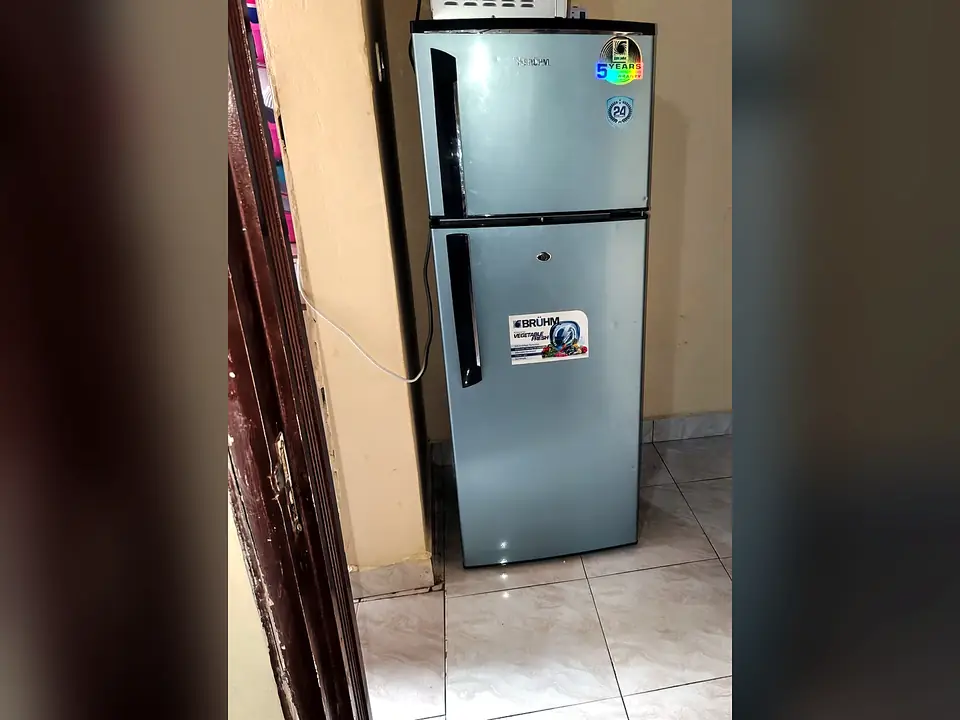
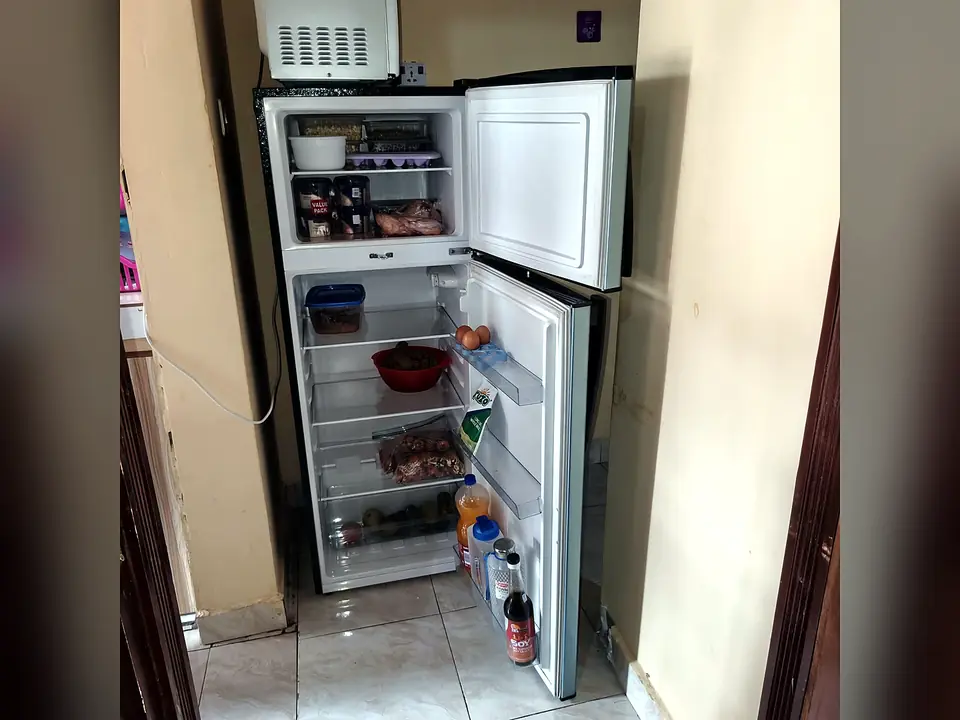
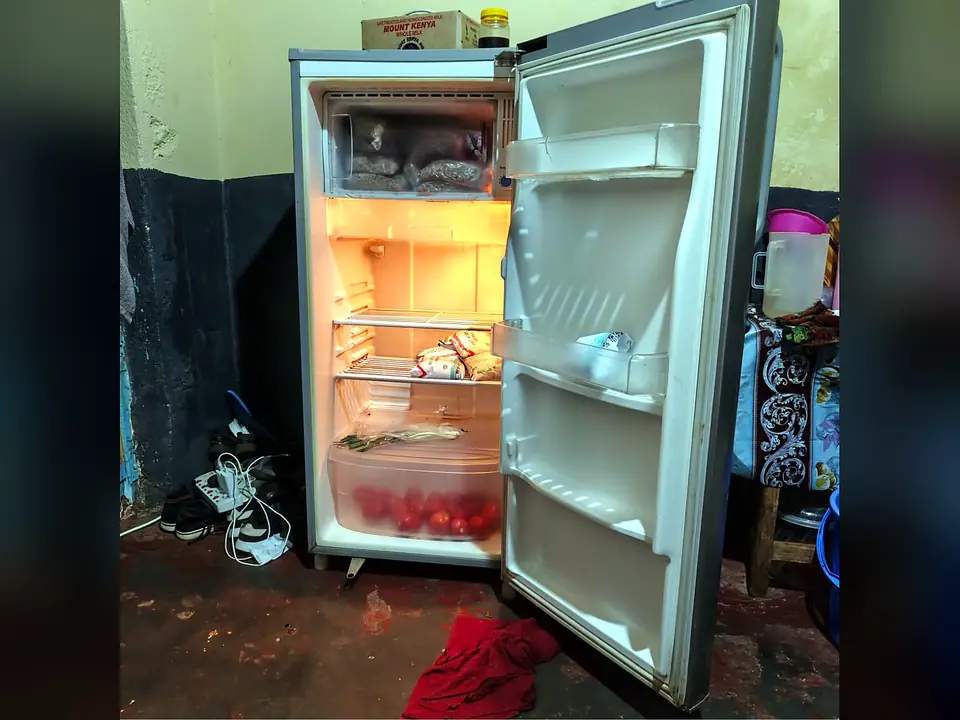
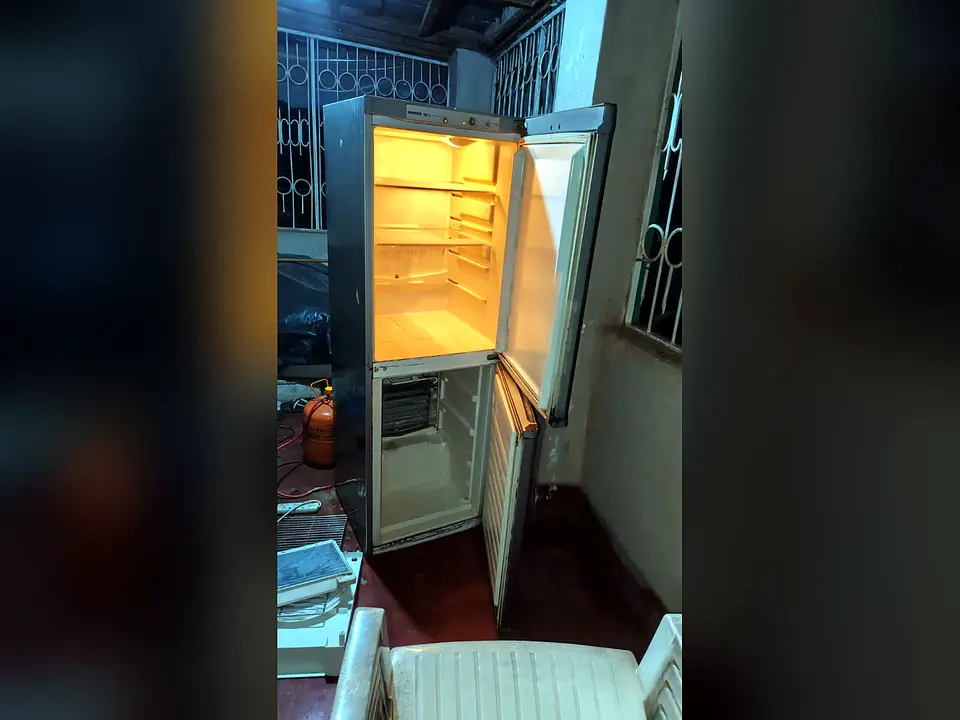
Fridges and freezers we work on.
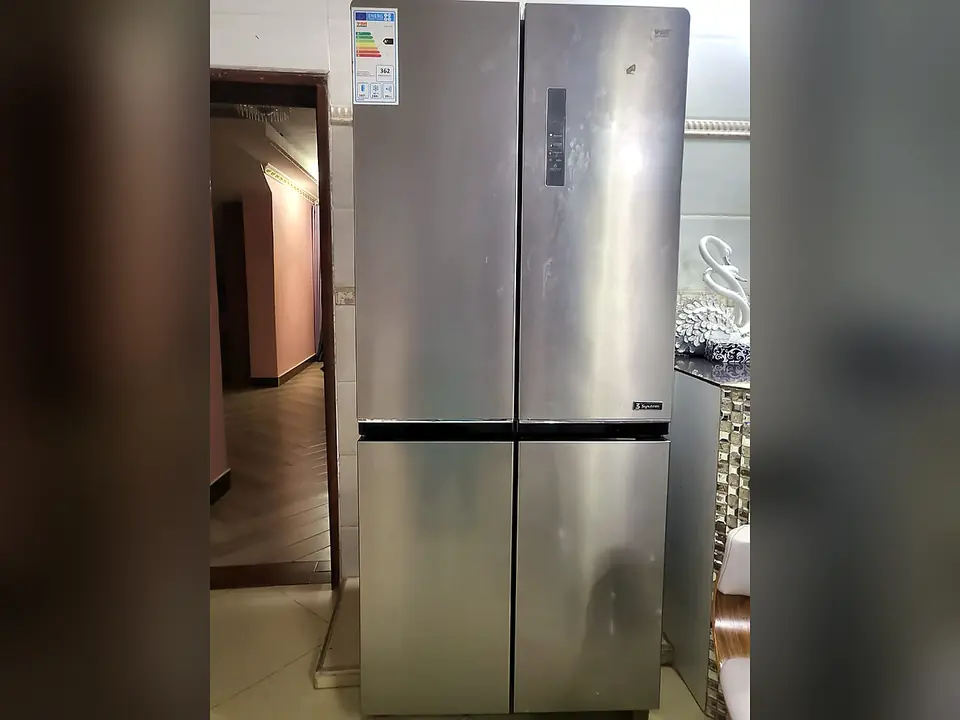
Fridge trouble in Runda?
Call or WhatsApp with what the fridge is doing and a photo of the model sticker. We tell you when a technician can come.