
Beko fridge repair in Nairobi.
Fridge freezers and chest freezers with no-frost and frost-free models. We repair them at your home, with the price agreed before any work starts.
Common Beko fridge jobs.
- Ice build-up
- Sensor faults
- Fan replacement
What is the Beko fridge doing?
Beko fridge repair by area.
Our technicians cover all of Nairobi and the towns around it. Pick your area for the full Beko page there.
The models we see and how they are built.
Beko makes fridge freezers, chest freezers and a range of frost-free models that are common in Nairobi homes. Frost-free fridges use a fan and a defrost system to keep ice off the cooling parts, and many have a separate freezer section at the top or the bottom.
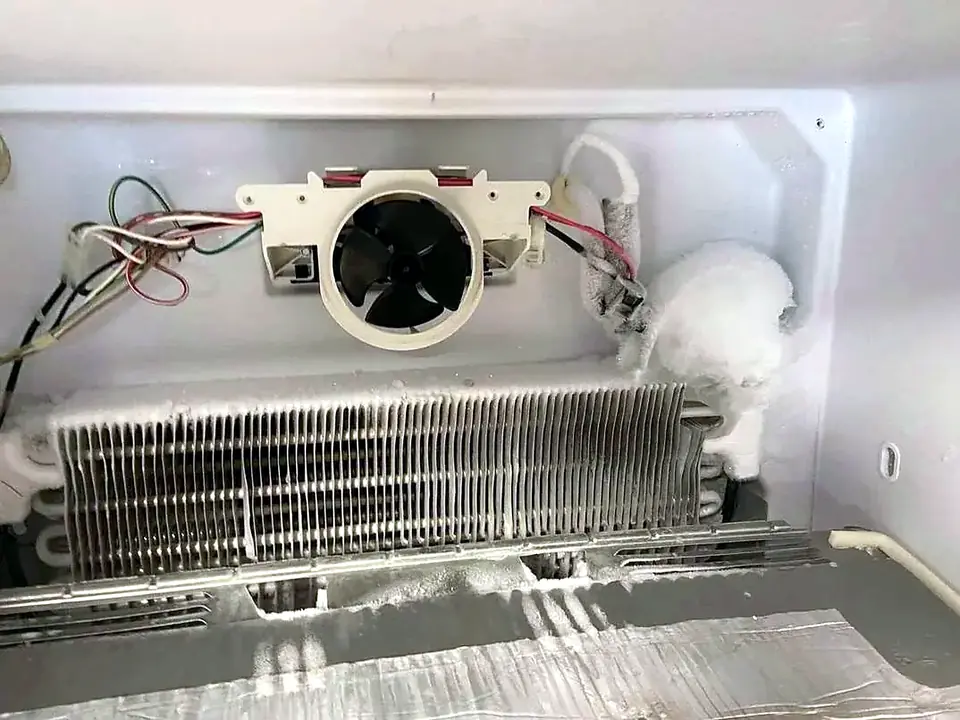
Because the defrost system works automatically, a Beko fridge that starts forming ice is telling you something has failed. The usual suspects are the defrost heater, the defrost sensor and the fan. Ice that comes back quickly after you clear it is a sign that the system is still not clearing itself.
Beko makes fridge freezers, chest freezers and frost-free models that are common in Nairobi homes. Frost-free cooling keeps the freezer clear of ice, so ice that builds up again usually means the defrost system or a sensor needs attention.
Most Beko faults we see are sensor problems, a tired fan motor, and ice build-up from a worn door seal. Each one is a repair at the home, and we tell you the cause before any part is changed.
What Beko owners notice first.
- Ice build-up that comes back
- Sensor faults
- Fan replacement
- Door seal wear
What goes wrong, and why.
Ice build-up that comes back
A frost-free fridge should not grow ice on the back wall. When it does, the defrost heater, the sensor or the timer has failed, or warm air is getting in past the seal. We test the parts in order and replace the one that is faulty.
Sensor faults
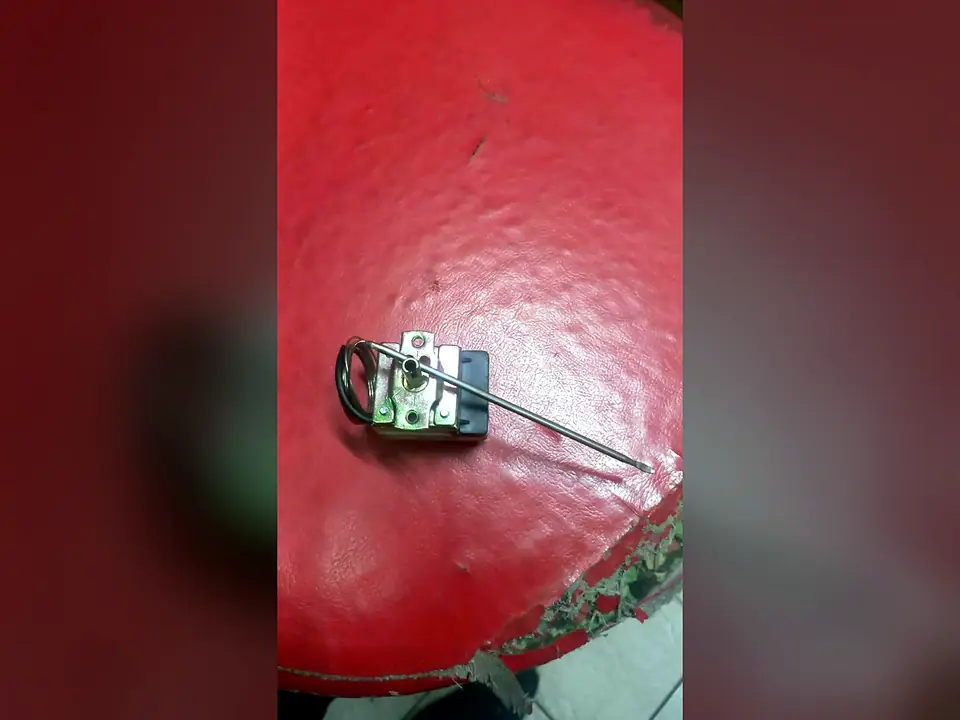
A sensor that reads the wrong temperature will confuse the control, which can keep the fridge too warm or freeze the food. We test the sensor with a meter and check the reading against the actual temperature.
Fan replacement
The fan moves cold air from the freezer into the fridge. A worn motor or a fan blocked with ice reduces the airflow and makes the fridge side warm. Replacing the fan is a single-part job, and it is often needed on older Beko units.
Door seal wear
A seal that no longer sticks to the cabinet lets warm, damp air in. That leads to frost, longer running and higher power use. A replacement seal is inexpensive, and fitting it correctly is what makes the repair last.
Care that prevents a repair.
Clear the drain hole at the back of the freezer every few months, so melted frost can run away. Wipe up any water under the drawers at once, since it can stain the floor and attract pests.
Keep the freezer full enough to hold its cold, but not packed tight, because the air needs to circulate. Check the seal with a sheet of paper twice a year.
Most Beko faults are sensors, fans or seals, which are repaired in a single visit. A frost-free fridge with a failed sealed system that is more than a decade old may be better replaced, and we give you the cost comparison before deciding.
How a Beko visit works.
Tell us what is wrong
Call or WhatsApp with what the fridge is doing and a photo of the model sticker inside.
We come to you
A technician visits your home or business and finds the fault.
You approve the price
You get the full price before any work starts. Nothing is done without your OK.
Cold again
We repair it, test the temperature and show you what was fixed.
Questions people ask
Do you repair Beko fridges at home in Nairobi?
Yes. A technician comes to your home or business and repairs the Beko fridge where it stands, in most cases in one visit.
Are you the official Beko service centre?
No. We are independent fridge technicians. If your Beko fridge is still under the manufacturer's warranty, contact the shop or Beko first.
Do you have parts for Beko fridges?
We source the right part for your model. Send a photo of the rating plate inside the fridge so we can check before we come.
Good to know about your fridge.
Protecting a fridge from power cuts and surges
Power cuts and surges are hard on fridges. When the supply returns it can arrive with a spike that damages the control board or the parts that start the compressor. Inverter fridges are the most sensitive, because a board sits between the plug and the compressor.
A good voltage guard, also called a fridge guard, delays the power coming back for a few minutes and cuts it if the voltage is too high or too low. It costs far less than a board repair. Choose one rated for the fridge, plug the fridge into it directly and avoid sharing the socket with a heater or an iron.
After any outage, wait a few minutes before switching the fridge on if you do not have a guard. Keep the door closed during the cut. A full fridge holds its cold for several hours if it is not opened, and a full freezer holds it for longer. Do not keep switching the fridge off and on at the wall; it puts strain on the compressor.
Food safety when a fridge stops cooling
Bacteria multiply quickly above about five degrees. If the fridge side is warm, move milk, meat, fish and cooked food to the freezer or a cool box with ice, and keep the door closed as much as you can. If the freezer is still frozen, do not open it more than you need to.
As a rule of thumb, fresh meat, fish, dairy and cooked leftovers should not stay in a warm fridge for more than a few hours. Food that has thawed and warmed should not be refrozen if it has been warm for long. When in doubt, throw it out: a repair is cheaper than being ill.
Medicines that need refrigeration should be moved to a cool box and kept as cold as the label asks. If you are not sure whether something is still safe, check the instructions on the packaging or ask a pharmacist.
Why gas is rarely the first thing we check
Many people ask for a gas refill as soon as a fridge stops cooling. In practice, a fridge uses no gas. It circulates the same sealed charge for its whole life. If the charge is low, the fridge has a leak, and a refill without finding the leak means paying again in a few weeks.
Most cooling faults are something else: a blocked air channel, a stopped fan, a dirty condenser, a failed defrost heater, a worn door seal, a start relay, a thermostat or a board. These are found with a few tests, and they are usually cheaper to put right than a gas job.
When the tests point to a leak, we find it first, usually at a joint, a pipe that has rubbed or a corroded coil, repair it, pull a vacuum to remove air and moisture and then charge the exact gas the fridge was built for, by weight. That is the only way a gas job lasts.
How to defrost a freezer safely
A freezer with thick ice works harder and holds less. If your freezer is not no-frost, defrost it when the ice is a few millimetres thick. Switch it off at the wall, empty the contents into a cool box, and open the door. Put towels underneath to catch the water.
Never use a knife, a screwdriver or any sharp tool to chip the ice. The cooling pipes run very close to the surface, and a puncture lets out the gas and ruins the freezer. A bowl of warm water placed inside speeds things up, and a hairdryer on a low setting held at a distance can help, if you keep it away from water.
Wipe the inside dry before switching on again, and give the fridge a few hours to cool before refilling it. If ice builds up again within weeks, the door seal or the defrost system needs a technician.
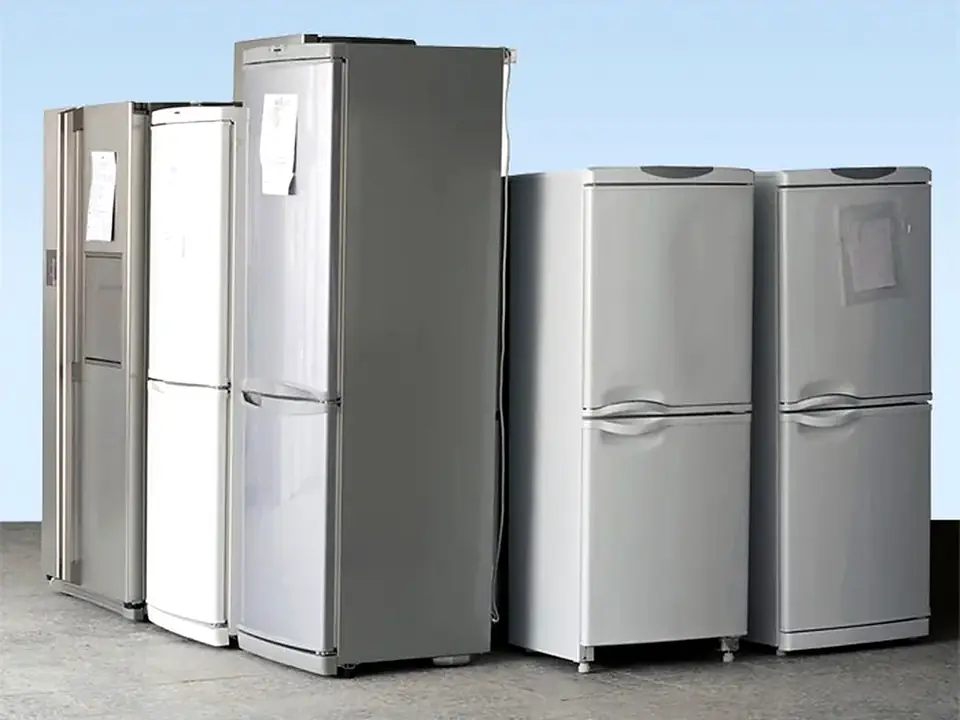
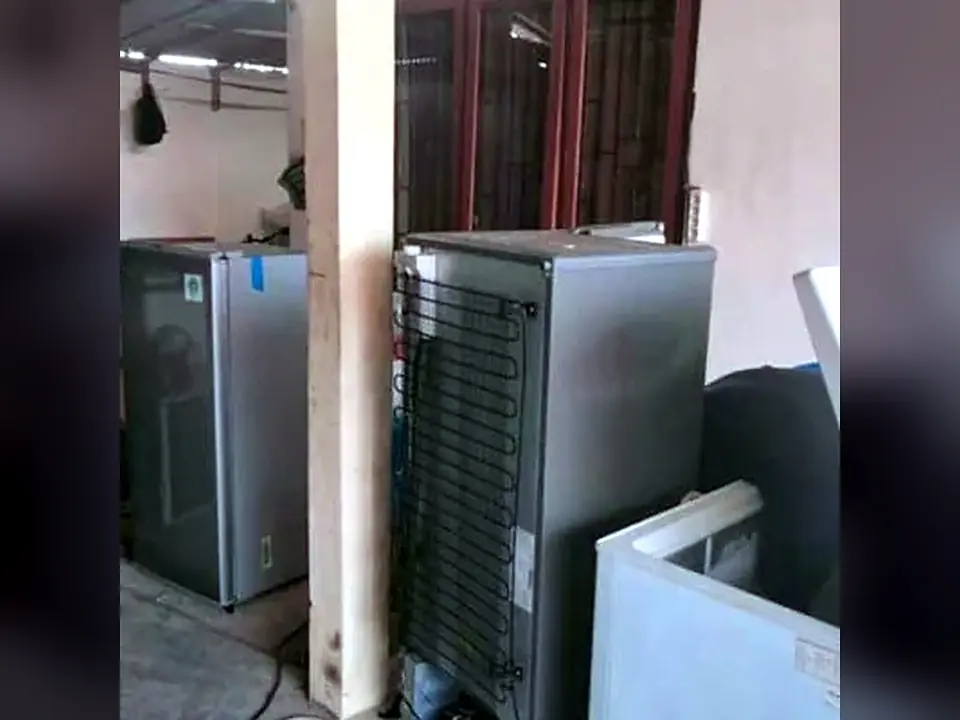
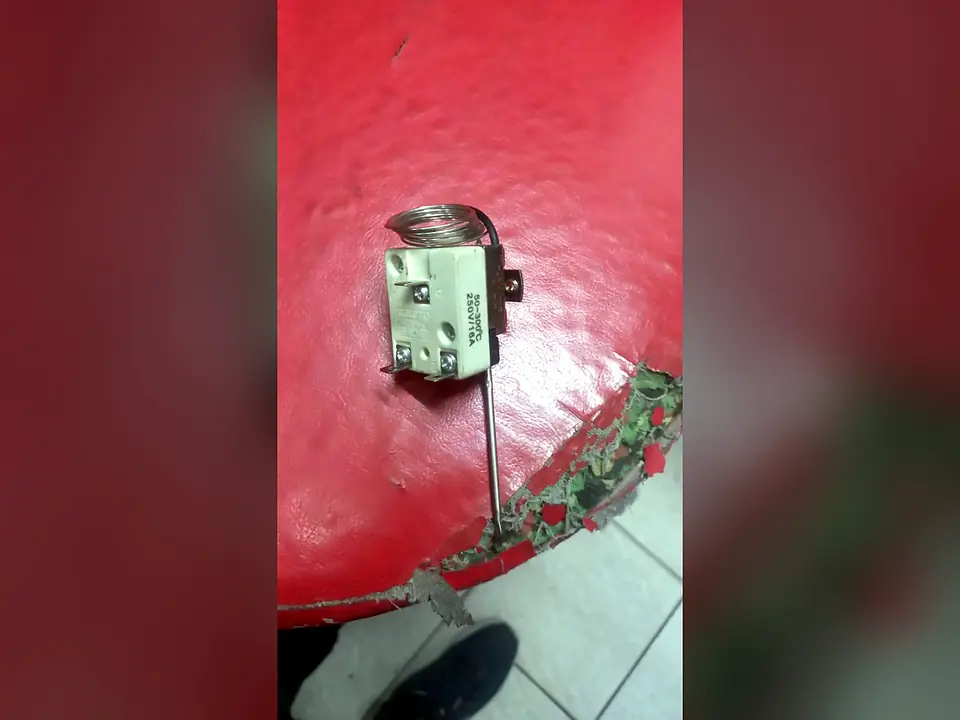
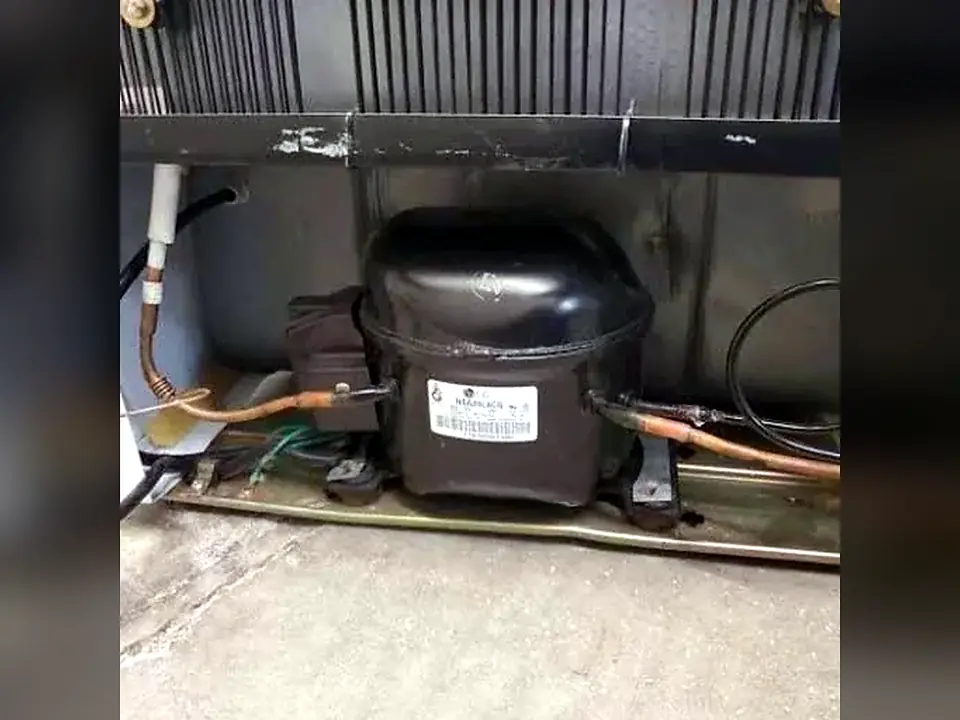
Fridges and freezers we work on.
Beko fridge not right?
Call or WhatsApp with what the fridge is doing and a photo of the model sticker. We tell you when a technician can come.