Fridge not turning on?
No light, no sound, no cooling. Sometimes it is the supply, often a part inside the fridge, and occasionally the control board after a power surge.
How it usually shows.
- The light does not come on
- No sound from the compressor
- The display is blank
- It stopped after a power cut or a storm
Why it happens.
Power supply
A faulty socket, adapter, voltage guard or plug fuse can stop the fridge before it even starts.
Control board
Power surges after outages are a common reason boards fail in Nairobi.
Thermostat
A failed thermostat never tells the compressor to start.
Compressor start parts
The relay and overload that start the compressor can burn out.
What the technician does.
We test the socket, plug and voltage guard first.
We test the thermostat, board and compressor start parts.
You get the cause and price before the repair.
We advise on surge protection to stop it happening again.
Safe things to check.
- Plug a phone charger into the same socket to check it has power.
- If you use a voltage guard, check its light and try the fridge without it for a minute.
- Wait a few minutes after power returns before switching the fridge back on.
Fridge Not Turning On in Nairobi is one of the jobs we do most. Call or WhatsApp 0703 543 656 and tell us what the fridge is doing.
Questions people ask
My fridge stopped after the power came back. Why?
The surge when power returns can damage the control board or the compressor start parts. A good voltage guard protects the fridge.
Can a fridge that does not turn on be repaired?
Usually yes. Most of the time it is the supply, the board or a start part, not the compressor.
Other fridge problems.
Good to know about your fridge.
How to tell if a door seal needs replacing
The door seal, or gasket, keeps warm air out. Over time it hardens, cracks or loses its magnetic grip. A bad seal causes frost, water inside, longer running and a higher bill.
Try the paper test: close the door on a sheet of paper and pull it out. If it slides out with no resistance, the seal is not gripping there. Test several points around the door. Look for splits, hardened sections and mould along the folds.
Wiping the seal with warm soapy water sometimes restores the grip, because grease and sugar stop it sealing. If cleaning does not help, the seal needs replacing. A new seal must be fitted straight, and the door adjusted so it closes evenly, or the new seal will not fix the problem.
Choosing a fridge technician you can trust
A good technician explains the fault before changing parts. They test, tell you what failed and why, and give you the price before work starts. They show you the old part if you ask. They are honest when a repair does not make sense.
Be wary of anyone who names a fault over the phone without seeing the fridge, who insists on a gas refill without finding a leak or who will not give a price until the work is done. Ask whether the visit fee is separate and what it covers.
It also helps if the technician works on fridges every day. Fridges are a sealed cooling system with their own tools, gases and habits, and a general handyman may not have the equipment to vacuum and charge a system properly.
Moving a fridge without damaging it
Whenever possible, keep a fridge upright. The compressor oil sits in a defined place, and laying the fridge down can let it run into the pipes. If a fridge has to travel on its side, let it stand upright for several hours before you switch it on again.
Empty it and defrost the freezer the day before, so no water leaks on the way out. Secure the doors with tape and protect the corners. Plan the route, because large fridges are heavy and awkward on stairs, so tell your movers the size and the floor.
Level the fridge in its new position, leave a gap behind and above it and wait a short time before switching it on. We also help with installation and relocation, including bringing in a new fridge and removing the old one.
Saving power with the fridge you already have
A fridge runs all day and every day, so small improvements add up. Set the fridge between about three and five degrees and the freezer at minus eighteen. Colder settings use more power without protecting the food any better.
Keep the condenser clean, leave air space around the fridge and keep it away from the cooker and direct sun. Check the door seal and do not leave the door open while you decide what to eat.
A full fridge holds its cold better than an empty one, so a few bottles of water on the shelves help in a fridge that is mostly empty. Do not overpack it, though, because the air must still move. If a fridge is very old and the compressor is struggling, a replacement may repay itself in power, and we will tell you honestly if that applies.
Inverter fridges explained
A traditional compressor switches fully on and fully off. An inverter compressor changes its speed to suit the cooling needed. It runs slowly most of the time, which is quieter and uses less power, and it speeds up when the fridge needs to cool down.
To do that it needs a control board, called the inverter board, that converts the power and drives the compressor. The board is the weak point, because it dislikes surges and heat. When a board fails, the compressor does not start, even though the compressor itself may be fine.
That is why we test the board, the wiring and the compressor separately. A board can sometimes be repaired and sometimes needs replacing with a matching part. A voltage guard and a clean condenser are the best protection for an inverter fridge.
What happens on a visit
You call or WhatsApp us with what the fridge is doing and a photo of the model sticker. We tell you when a technician can come and how the visit fee works. The technician arrives, listens to the fridge, measures the temperature in both sections and checks the obvious causes in order.
When the fault is found, you are told what it is, shown the worn part where possible and given the full price for parts and labour before anything is changed. Nothing is done without your agreement. If a part has to be ordered, we tell you how long it will take.
After the repair, the fridge is left running and checked to confirm it is pulling down to temperature. Before we leave, we explain what failed and how to avoid it next time. If the fridge is not worth repairing, we say so, and we can collect an old fridge for responsible recycling.
How a fridge actually keeps things cold
A fridge does not make cold. It moves heat. Inside the sealed pipework there is a refrigerant gas. The compressor squeezes the gas, which makes it hot, and the hot gas flows through the coil at the back or underneath, called the condenser, where it gives its heat to the room. The gas turns to a liquid, passes through a very thin tube that drops its pressure, and arrives in the cold coil inside the fridge, the evaporator, where it turns back to a gas and soaks up heat from the food. Then it returns to the compressor and the cycle repeats.
That is why the back of a fridge feels warm and why a fridge squeezed into a cabinet struggles. If the heat cannot leave, the cycle slows and the compressor runs for longer. It is also why gas does not get used up: it travels round in a closed loop. When a fridge is low on gas there is a leak, and the leak has to be found and sealed first.
In a no-frost fridge a fan blows air over the evaporator and into the compartments, and a small heater melts the frost off the coil a few times a day. Most cooling faults come from these supporting parts, the fan, the heater, the sensor and the board, long before the compressor itself fails.
Reading the rating plate inside your fridge
Almost every fridge has a sticker or metal plate inside, usually on a side wall or at the back of the fridge compartment. It tells a technician almost everything: the brand, the model number, the voltage and frequency, the type of gas the fridge uses and how much of it, and often the manufacturing date.
Take a clear photo of that plate before you call. With the model number we can check which thermostat, seal, fan or board fits, which saves time on the visit. The gas type matters too. Modern fridges often use R600a, a flammable gas used in small amounts, while older ones commonly use R134a. The two are not interchangeable, and a fridge must always be charged with the gas printed on its own plate.
If you cannot find the plate, look for a sticker behind the vegetable drawers, on the inside of the door frame or on the back of the cabinet. Send us whatever you can find and the brand, and we will help you identify the model.
Fridges and freezers we work on.
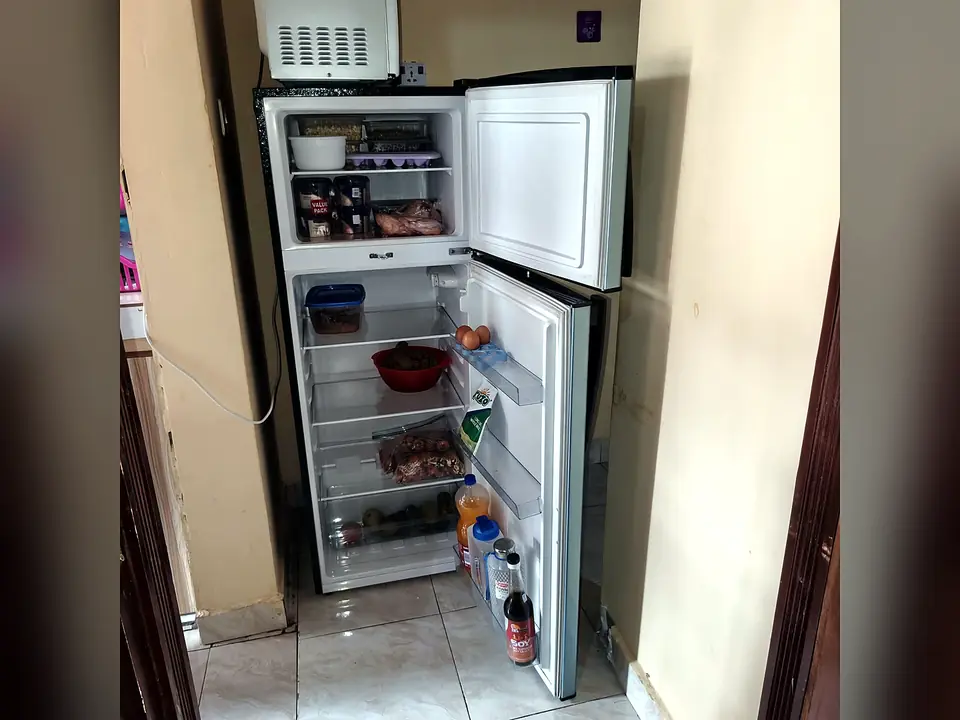
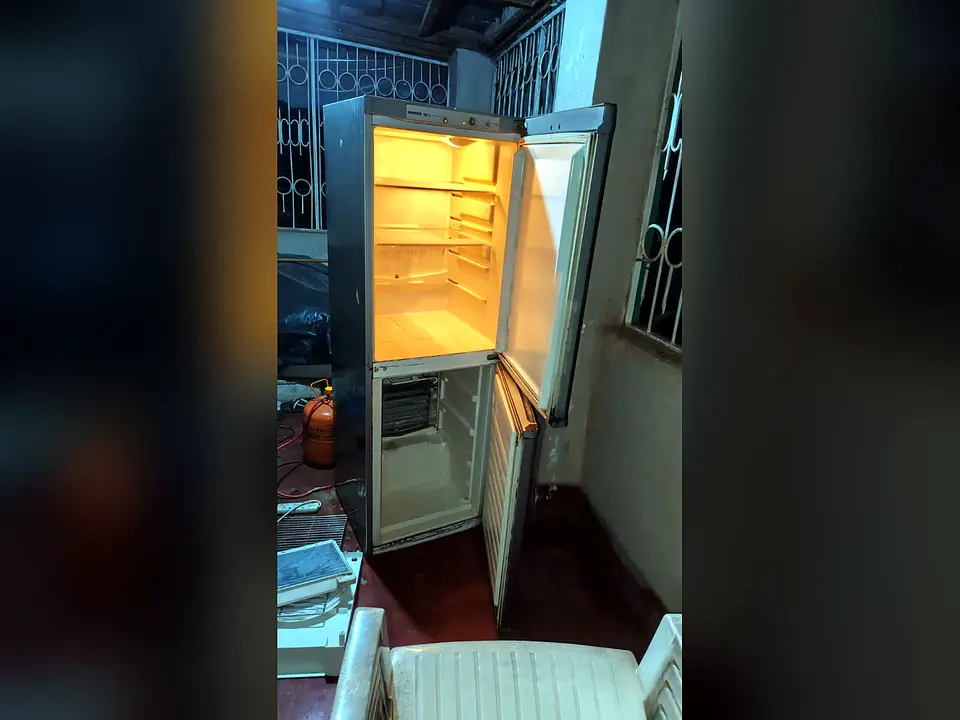
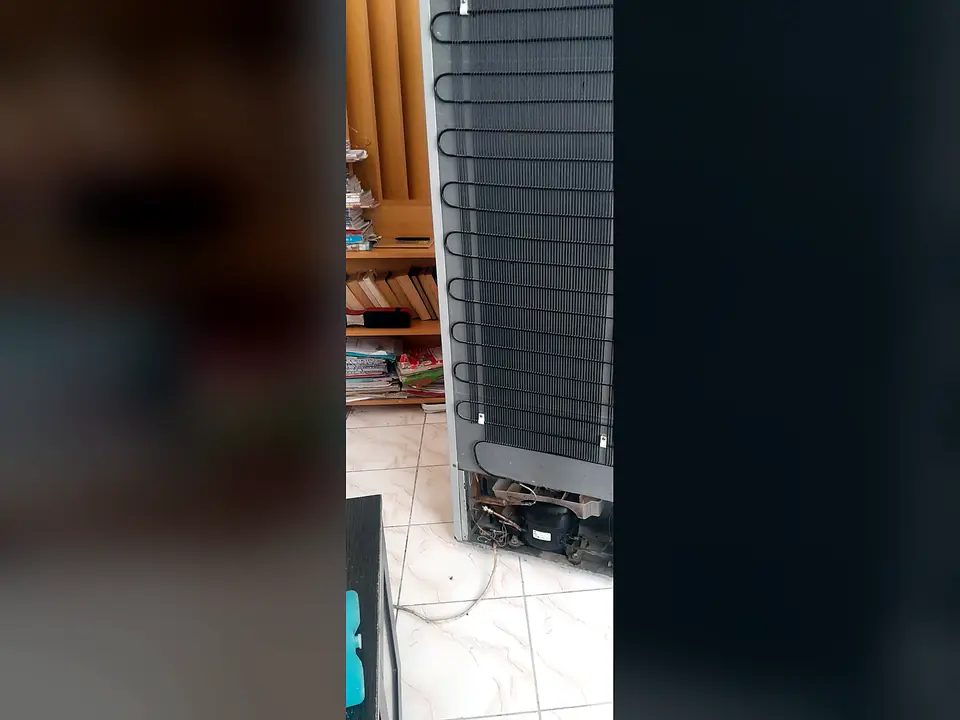
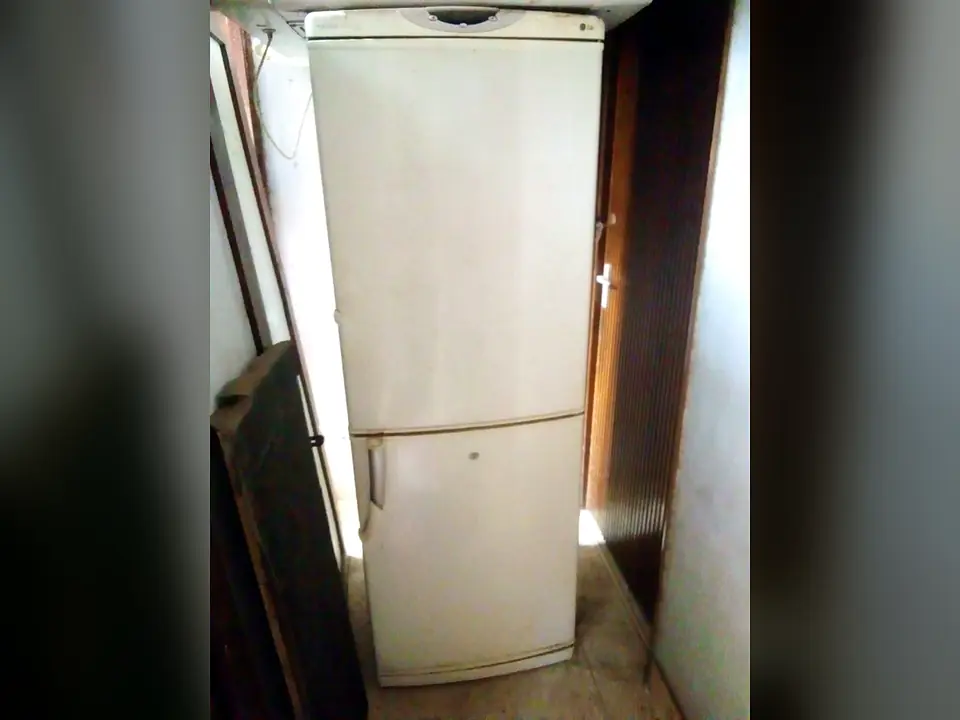
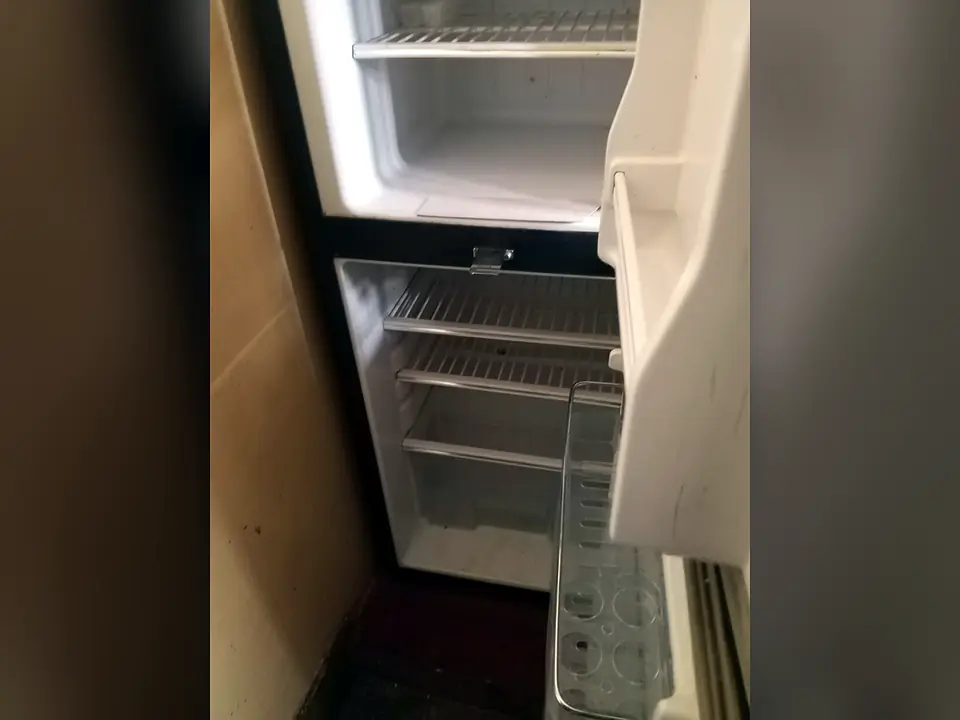
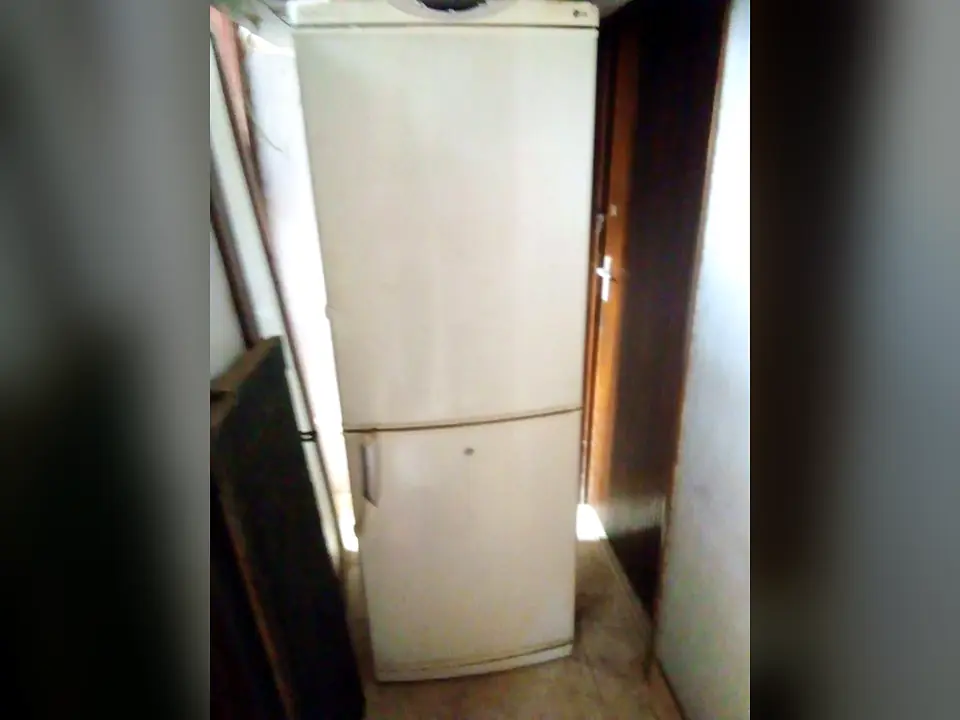
A cold fridge, today.
Call or WhatsApp with what the fridge is doing and a photo of the model sticker. We tell you when a technician can come.